Different Treatment For Acne
Acne is one of the most common skin concerns affecting teenagers and adults alike. It can appear in the form of blackheads, whiteheads, pimples, cysts, or inflamed breakouts, often impacting not only skin health but also confidence. While acne is usually associated with hormonal changes during adolescence, it can also result from stress, diet, genetics, clogged pores, or improper skincare routines.
Because acne has multiple causes, treatment approaches vary depending on severity and skin type. What works for one person may not work for another. Some individuals benefit from over-the-counter products, while others may require professional dermatological care. Understanding the different treatment options available—from medical prescriptions to natural remedies—helps individuals make informed decisions about managing breakouts effectively. With consistent care and the right approach, acne can be controlled and skin clarity improved over time.
Over-the-Counter Acne Treatments
Mild to moderate acne can often be managed using non-prescription skincare products. Ingredients such as benzoyl peroxide and salicylic acid are commonly found in cleansers, spot treatments, and creams. These components help reduce bacteria, unclog pores, and control excess oil production.
Retinoid-based creams available without prescription may also support skin cell turnover, preventing clogged pores. Consistency is key when using over-the-counter solutions, as visible improvement may take several weeks.
Within recommended acne skincare treatment options and dermatologist-approved beauty care guidance, selecting products suited to specific skin types reduces irritation and enhances results.
Choosing gentle, non-comedogenic products minimizes further breakouts.
Patience and routine are essential for effectiveness.
Prescription Medications and Dermatological Care
For moderate to severe acne, professional medical consultation may be necessary. Dermatologists may prescribe topical retinoids, antibiotics, or combination treatments to reduce inflammation and bacterial growth.
In some cases, oral medications such as antibiotics, hormonal treatments, or isotretinoin are recommended for persistent acne. These options require careful monitoring due to potential side effects.
Within structured clinical acne management and advanced skin health treatment programs, personalized medical care addresses underlying causes.
Professional evaluation ensures safe and targeted intervention.
Medical treatments often provide stronger and faster results.
Natural and Home Remedies
Some individuals prefer natural remedies as complementary treatments. Tea tree oil, aloe vera, and honey are commonly used for their antibacterial and soothing properties.
Maintaining proper hygiene, regularly washing pillowcases, and avoiding harsh scrubbing can also support clearer skin.
Within holistic natural skin care routines and preventive beauty wellness solutions, gentle care reduces irritation and promotes balance.
While natural remedies may help mild acne, they should not replace medical advice for severe cases.
Balanced expectations improve satisfaction with results.
Lifestyle and Dietary Adjustments
Lifestyle choices significantly impact skin health. Managing stress through exercise or relaxation techniques may reduce hormone-related breakouts.
Some studies suggest that limiting excessive sugar and highly processed foods can support clearer skin. Staying hydrated and getting adequate sleep also promote healthy skin function.
Within practical skin wellness improvement and long-term acne prevention strategies, daily habits play a major role.
Healthy routines support treatment effectiveness.
Consistency enhances visible improvement.
Professional Skincare Procedures
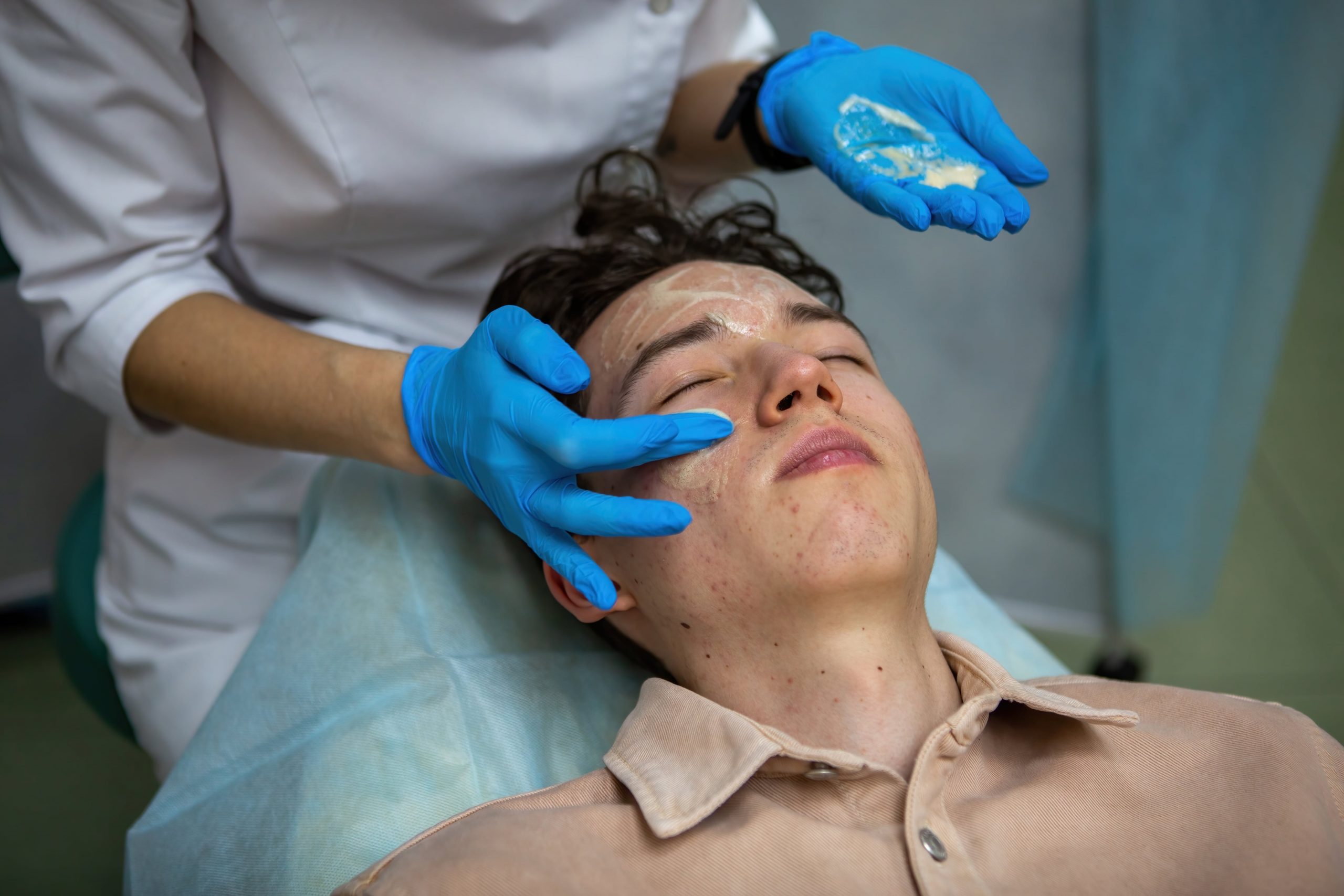
In addition to medications, dermatological procedures may assist acne management. Chemical peels, light therapy, and extractions are commonly recommended treatments.
Laser therapy can reduce inflammation and target acne-causing bacteria. These procedures should be performed by qualified professionals.
Within comprehensive advanced dermatology solutions and professional facial treatment options, supervised procedures offer controlled and safe outcomes.
Professional treatments often complement home care routines.
Expert guidance ensures optimal results.
Conclusion
Acne treatment requires a personalized approach that considers skin type, severity, and underlying causes. From over-the-counter solutions and prescription medications to natural remedies, lifestyle adjustments, and professional procedures, various options are available to manage breakouts effectively. Mild acne may respond well to consistent skincare routines, while more severe cases often require medical supervision. Combining proper hygiene, balanced nutrition, stress management, and appropriate treatments increases the likelihood of long-term improvement. Because acne can affect both physical appearance and emotional confidence, addressing it thoughtfully and safely is essential. Consulting a dermatologist when necessary ensures accurate diagnosis and effective care. Ultimately, patience, consistency, and informed decision-making form the foundation of successful acne management and healthier skin over time.